

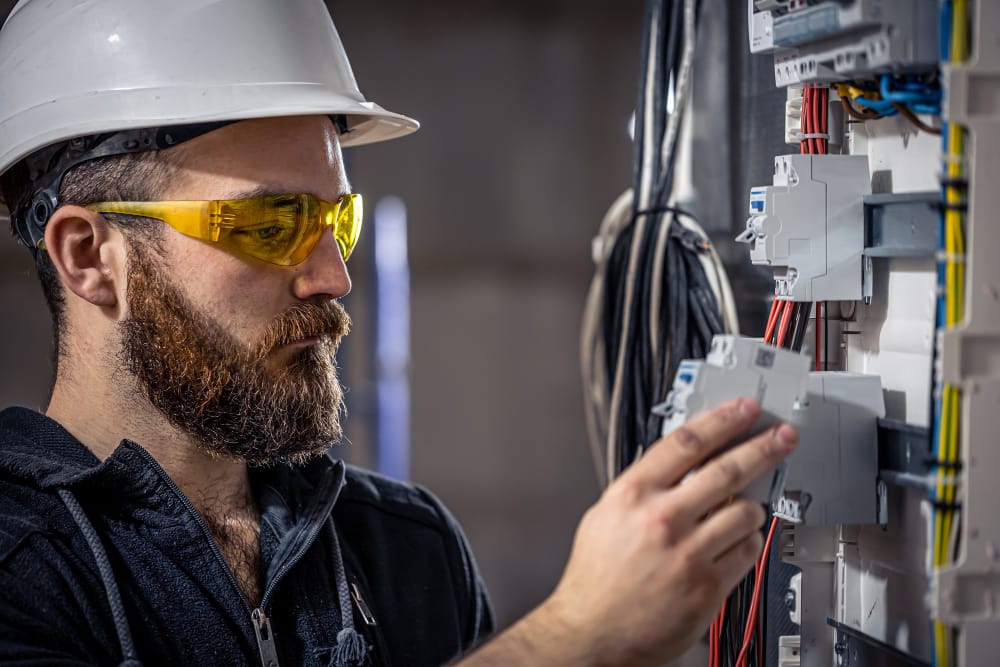
Low Voltage Switchgears

Low Voltage Switchgears

Low Voltage Switchgears: Manufacturer’s Guide to Quality and Safety

low voltage switchgears: Manufacturer’s Guide to Quality and Safety low voltage switchgears play a critical role in modern electrical distribution systems. They are essential for controlling, protecting, and isolating electrical equipment operating at low voltages, typically up to 1,000 volts. For businesses, industries, and residential projects, ensuring the quality and safety of low voltage switchgears is key to long-term electrical performance and accident prevention. As a trusted manufacturer and supplier of low voltage switchgears, we understand the importance of delivering products that meet international standards, ensuring both durability and user safety. What Are LV Switchgears? Low voltage switchgears are assemblies that consist of switching devices like circuit breakers, fuses, isolators, and contactors. These devices help manage electrical power safely and efficiently across various applications. Commercial buildings Industrial plants Residential complexes Power distribution networks Why Quality Matters in LV Switchgears When it comes to electrical safety and system reliability, the quality of low voltage switchgears cannot be compromised. Prevents electrical faults and failures Ensures operational efficiency Reduces downtime Increases equipment lifespan Protects people and property Investing in high-quality low voltage switchgears minimizes the risk of power outages, overheating, and fire hazards. Manufacturer’s Perspective on Ensuring Quality As a leading manufacturer of low voltage switchgears, we follow strict production processes to guarantee product excellence. Our Quality Standards: Use of certified raw materials Adherence to IEC and international safety standards Rigorous factory testing and inspection Advanced manufacturing technology Custom-built solutions for unique project requirements We ensure that each product is engineered for maximum reliability and safety. Features of Switchgears Safety is the top priority when designing and manufacturing switchgears. Here are critical safety elements we integrate: Overload Protection: Prevents damage from excessive current Short Circuit Protection: Rapid disconnection to avoid system damage Safe Enclosures: Protect users from electrical contact Thermal Management: Prevents overheating with ventilation and cooling options Emergency Shutoff: Quick manual disconnection in emergencies How to Select the Right Low Voltage Switchgear When choosing a low voltage switchgear supplier, consider the following: Compliance: Ensure the product meets local and international standards Customization: Look for manufacturers that offer tailor-made solutions Technical Support: Reliable after-sales service is essential Thermal Management: Prevents overheating with ventilation and cooling options Pricing: Balance quality with cost-effective solutions Delivery Time: Choose suppliers who can meet your project deadlines As a direct manufacturer and supplier, we offer all these benefits with factory-direct pricing. Conclusion Choosing the right low voltage switchgear is essential for building safe, efficient, and long-lasting electrical systems. By focusing on quality and safety, you not only protect your assets but also ensure smooth operations. If you are looking for high-quality low voltage switchgears from a trusted manufacturer and supplier, contact us today. We are ready to provide you with the best solutions tailored to your project needs.
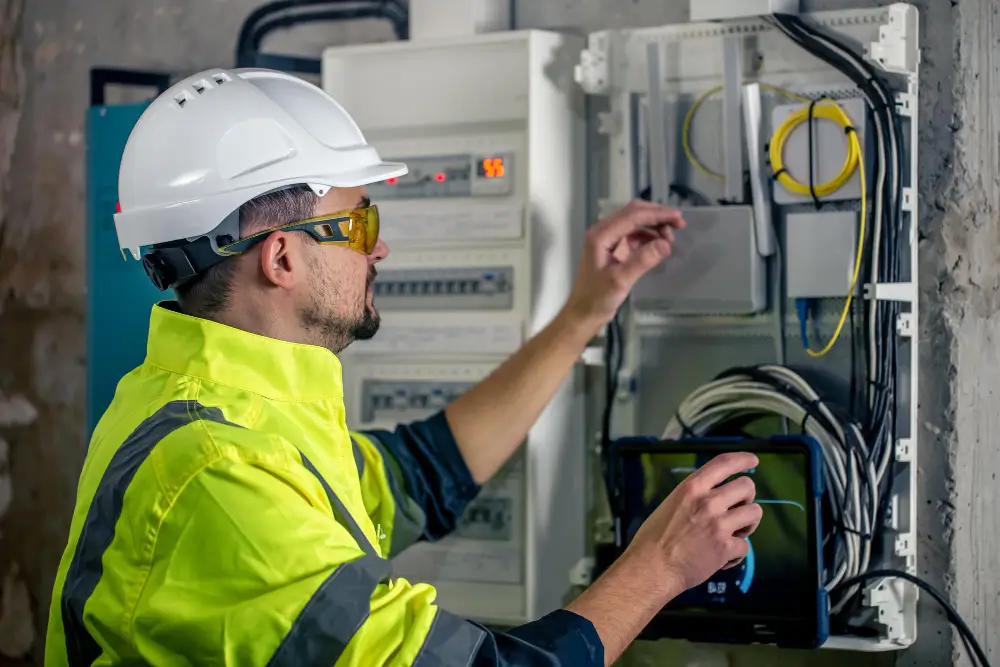

Switchgear
Low Voltage Switchgears

Switchgear Safety: 7 Powerful Tips to Boost Protection

Switchgear Safety : 7 Powerful Tips to Boost Protection Switchgear is a critical component in electrical power systems that controls, protects, and isolates electrical equipment. It includes devices like circuit breakers, switches, fuses, and busbars that manage the flow of electricity safely and efficiently from the power source to the load. Switchgear ensures: Safe interruption of fault currents Protection of equipment from overloads or short circuits Isolation of electrical circuits for maintenance Reliable distribution of power across industrial, commercial, and residential facilities In particular, low voltage (LV) switchgear, which operates below 1,000 volts, is essential for everyday electrical panels in buildings and industrial machinery. The performance and safety of switchgear directly impact system reliability and personnel safety. Why Focus on Switchgears Safety? Because switchgear handles high currents and voltages, any failure can cause catastrophic damage, fires, or even life-threatening incidents. Proper design, quality components, and regular maintenance are critical to preventing accidents and ensuring uninterrupted operation. One of the most overlooked aspects of switchgear safety is the role of insulators and busbar supports—components that physically separate and support energized parts while preventing electrical faults. Powerful Tips to Boost Switchgear Safety In the fast-paced world of electrical systems, switchgear safety is not optional—it’s essential. Whether you’re designing low voltage panels or maintaining industrial switchboards, one overlooked detail can lead to costly downtime, fire hazards, or worse. So how can engineers, OEMs, and panel builders improve safety while maintaining performance? Below are 7 powerful, field-tested tips to strengthen protection, improve reliability, and extend the life of your switchgear. 1. Choose High-Quality Insulators Built for LV Applications At the heart of safe switchgear lies its insulation system. Low voltage insulators support and isolate live conductors, maintaining dielectric strength and withstanding heat or mechanical stress. Avoid low-grade materials like generic plastic or recycled polymers. Opt for tested and certified materials such as DMC, SMC, Bakelite, or FRP. Confirm resistance to flame, tracking, and moisture. 2. Maintain Correct Phase Separation and Clearance At the heart of safe switchgear lies its insulation system. Low voltage insulators support and isolate live conductors, maintaining dielectric strength and withstanding heat or mechanical stress. Avoid low-grade materials like generic plastic or recycled polymers. Opt for tested and certified materials such as DMC, SMC, Bakelite, or FRP. Confirm resistance to flame, tracking, and moisture. 3. Use Properly Rated Switchgear Components Every component, from MCCBs to busbars and insulators, must match the system’s voltage, current, and fault levels. Check short circuit withstand capacity (Icw and Ipk) ratings. Use type-tested assemblies (TTA) when available. Avoid mixing brands or mismatched thermal ratings. Avoid low-grade materials like generic plastic or recycled polymers. Opt for tested and certified materials such as DMC, SMC, Bakelite, or FRP. Confirm resistance to flame, tracking, and moisture. 4. Implement Thermal Management and Ventilation Overheating is a silent killer of switchgear. Heat weakens insulation, warps components, and increases fire risk. Ensure ventilation slots or install cooling fans for high-load systems. Use thermal cameras during commissioning to detect hotspots. Space out heat-generating components like contactors and soft starters. 5. Secure Mechanical Mounting of Insulators and Busbars Loose insulators or floating busbars can create dangerous electromechanical stress, especially during short circuits. Use proper torque values when tightening busbar clamps. Choose mechanically reinforced insulators (e.g., with metal inserts). Prevent metal-to-metal contact between conductors and enclosure. 6. Regularly Inspect and Clean Switchgear Interiors Dust, moisture, and chemical vapors can degrade insulation over time. Conduct preventive maintenance every 6–12 months. Use dry air blowers or vacuum systems to clean panels. Inspect for discoloration, surface cracks, or signs of tracking. 7. Document Everything and Train Your Technicians Even the best hardware can fail due to human error or lack of training. Provide detailed wiring diagrams, torque values, and testing protocols. Train staff on safe isolation, insulation resistance testing, and PPE. Label conductors, phases, and terminal blocks clearly. Final Thoughts: Prioritize Switchgear Safety from the Start Switchgears safety doesn’t start in the field—it starts in design, component selection, and manufacturing. By following these 7 proven tips, you protect not just your electrical system, but your people, property, and productivity. Facebook Twitter Linkedin

Scroll to Top